
Questions Before Hiring a Web Developer
Ask these questions before hiring a web developer - scope, ownership, hosting, timelines, and Kenya-specific checks that protect your SME budget.
KisoByte Solutions · 5 min read
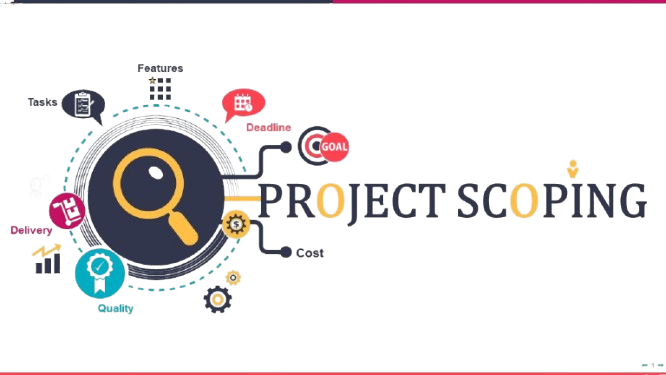
A web project goes wrong quietly: the site launches, but nobody owns the hosting login, content edits need a ticket, and the “simple contact form” quietly stops sending mail. Most of that is preventable if you ask hard questions before hiring a web developer - not after the invoice is paid.
This list is for Kenyan SME owners and managers who may not write code but still must protect the business. For the broader make-vs-buy framing, see the complete guide to custom software for SMEs in Kenya.
Before the interview: know your own answers
Write these down so vendors cannot redefine them for you:
- Purpose of the site (leads, brochures, bookings, member portal, ecommerce)
- Who updates content after launch
- Languages needed
- Integrations (M-Pesa, CRM, booking, WhatsApp widgets)
- Deadline that is real vs aspirational
- Rough budget band in KES ([VERIFY] with finance)
If you skip this, every quote answers a different imaginary project.
Questions about scope and outcomes
- What exactly is in v1? Ask for a page list and key flows, not “a modern responsive website.”
- What is out of scope? Membership portals, payments, and multilingual CMS are common “oh by the way” add-ons.
- How do we measure done? Example: “Marketing can publish a blog post without you,” or “Lead form hits our CRM within one minute.”
- What content do we provide vs you? Photos, copy, legal pages - assign owners early.
For a first live conversation structure, pair this with questions for your first web developer consultation.
Questions about tech choices (in plain language)
You do not need to pick frameworks. You need honest trade-offs:
- Why this stack for our case? Template CMS vs custom build vs hybrid.
- Will we be locked into one vendor’s proprietary builder?
- How hard is it for another developer to take over in 18 months?
- Where does the site host, and who owns the account?
- How are backups and restores handled?
- How do staging vs live sites work for updates?
If answers are “trust us,” slow down.
Questions about design and content
- Do we get wireframes or jump straight to visuals?
- How many design revision rounds are included?
- Who writes SEO titles and meta descriptions?
- How accessible should forms and contrast be for our users?
- Mobile-first: which phones do you test on? (Ask for mid-range Android, not only an iPhone demo.)
Questions about integrations and Kenya realities
- How will forms email us, and what happens when mail fails?
- If we need M-Pesa later, what do you need in the architecture now?
- Can we embed WhatsApp with clear handoff rules so leads are not lost?
- Do you handle domain DNS changes, or do we?
- What about .co.ke DNS and email on the same domain - who coordinates?
Local edge cases (shared hosting, slow DNS propagation, mixed email providers) kill more launches than “wrong font choice.”
Questions about money, time, and change
- Fixed price or time-and-materials - and what triggers a re-quote?
- Payment milestones tied to deliverables we can inspect?
- Typical timeline for a site of this scope?
- What happens if our content is late - does the calendar slip, and who communicates it?
- Post-launch support: days included, then what rate? ([VERIFY] monthly retainers vary.)
Questions about ownership and compliance
- Who owns the designs, theme, and custom code?
- Will we receive admin access on day one of handover?
- Privacy policy / cookie / data collection - who drafts what?
- Where is personal data from forms stored?
- If the developer disappears tomorrow, what artefacts do we hold?
Red flags while they answer
Listen for patterns that show up across software hiring generally - covered in depth in red flags when hiring a custom software developer:
- Scope stays verbal only
- Ownership of domain and hosting stays with them “for convenience”
- Timeline is a marketing date with no dependency list
- No staging environment
- Security of admin logins treated as optional
- They dismiss content readiness (“we can launch with placeholder text forever”)
A short scoring table you can reuse
Score each vendor 1–5. Prefer substance over charm.
| Criterion | Weight | Notes |
|---|---|---|
| Clear written v1 scope | High | Without this, price is fiction |
| Hosting & domain ownership plan | High | Must end in your accounts |
| Content & training plan | Medium | Marketing must self-serve |
| Integration honesty | High | Especially payments / CRM |
| Support after go-live | Medium | First 30 days are messy |
| Cultural fit / communication | Medium | Weekly demos beat silence |
How many vendors should you talk to?
Three serious conversations is enough for most SME sites. More than five usually means your brief is fuzzy and everyone is guessing. Send the same one-pager to each so quotes compare.
After you hire: keep asking
Hiring questions do not end at signature. In the first workshops, keep pressing: “Show me the page list,” “Show me the staging URL,” “Show me the handover checklist.” Good partners welcome it. Weak ones get irritated - which is useful information early.
Bottom line
The best questions before hiring a web developer force clarity on scope, ownership, hosting, integrations, and support - in writing. Use them as a filter, not a script to finish politely. When the site is only one piece of a larger systems decision, zoom out with the custom software guide for Kenyan SMEs, structure the first meeting with consultation questions for web developers, and keep developer red flags nearby while you compare proposals.
Ready to scope a build that fits your budget?
Tell us what you sell, who uses the system, and what “done” looks like. We’ll come back with a clear scope, timeline bands, and whether a product or custom build is the smarter path.